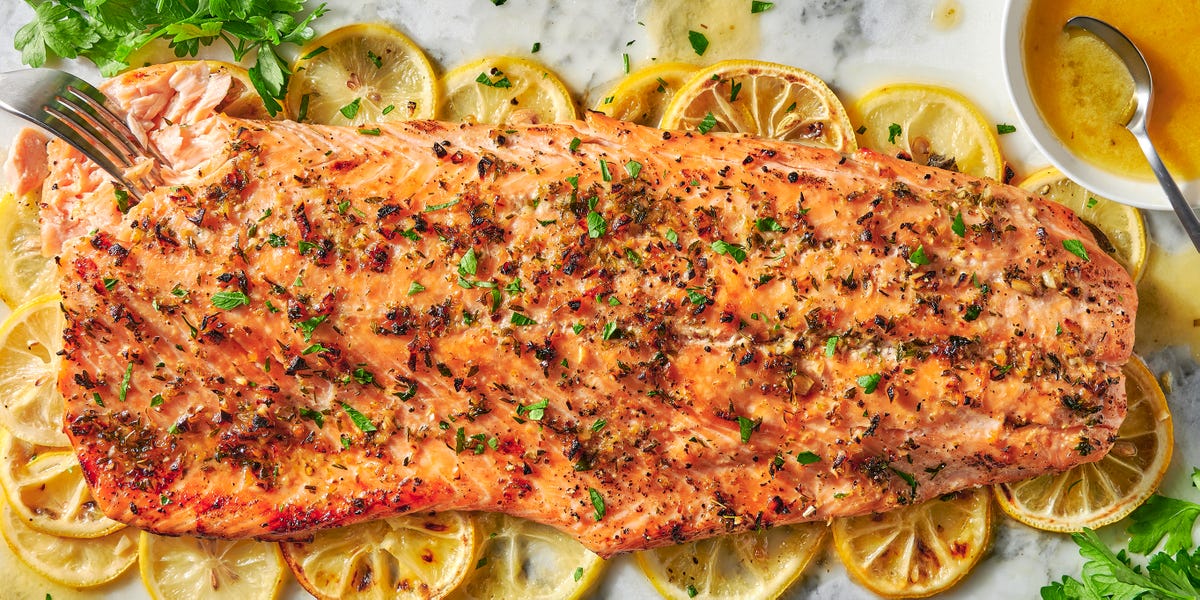
Bake Salmon Like a Pro: Avoid Dryness with Expert Techniques
There's nothing quite as satisfying as a perfectly cooked piece of salmon: flaky, tender, and bursting with flavor. Yet, many home cooks struggle to achieve this ideal, often ending up with dry, unappealing fish. If you've ever wished you could consistently prepare the best baked salmon, one that melts in your mouth and leaves you craving more, you're in the right place. We're about to unlock the secrets to baking salmon like a seasoned chef, ensuring every bite is moist, succulent, and incredibly delicious.
From mastering quick yet impactful marinades to employing clever baking techniques that lock in moisture, this guide will transform your salmon game. Say goodbye to guesswork and hello to consistently perfect results, whether you're planning a simple weeknight dinner or a special meal for guests.
Crafting the Ultimate Flavor Profile for the Best Baked Salmon
The foundation of truly exceptional baked salmon lies in its flavor profile. Beyond just tasting good, a well-chosen marinade or rub contributes significantly to the fish's moisture and tenderness. One of the most beloved and effective flavor combinations for salmon marries savory, sweet, and tangy notes, ensuring a juicy, flavorful outcome every time.
- The Powerhouse Marinade: A simple yet profound marinade often includes ingredients like soy sauce for umami depth, brown sugar for a touch of sweetness and caramelization, minced garlic for aromatic warmth, and lemon pepper seasoning for a bright, zesty kick. This blend not only infuses the salmon with incredible taste but also helps tenderize the flesh, preparing it for a delicate bake. For deeper dives into how marinades work their magic, check out our guide on Marinade Secrets: Unlock Juicy Baked Salmon with Quick Flavor Boosts.
- Optimal Marination Time: For the most vibrant flavor absorption, ideally, salmon should marinate for at least 2 hours. This allows the ingredients to penetrate the flesh thoroughly, resulting in a more robust and evenly flavored fish.
- When Time is Short: Life happens, and sometimes a last-minute decision calls for salmon. If you're pressed for time, don't despair! You can still achieve fantastic flavor by simply brushing the marinade over the salmon twice: once before baking and again halfway through. While it won't impart the same deep penetration as a longer soak, it still delivers a delicious surface flavor that's far superior to unseasoned fish.
- Beyond the Marinade: Consider adding a finishing touch that enhances both flavor and texture. A sprinkle of buttery, golden breadcrumbs, chopped fresh parsley, or even a hint of Dijon mustard can elevate your salmon. Dijon mustard, in particular, acts as an excellent binder for other seasonings, creating a delectable crust while adding its own tangy zest.
Pro Tip for Skin-On Filets: If you're using salmon with the skin on, you have options. For maximum flavor infusion into the flesh, some chefs recommend placing the salmon skin-side up during marination. However, when it comes to baking, you'll generally want to place it skin-side down, a technique we'll explore in the next section for its role in preventing dryness.
The Science of Perfect Baking: Avoiding Dryness is Key
The cardinal rule for achieving the best baked salmon is straightforward: DO NOT OVER BAKE. Overcooked salmon quickly turns dry, tough, and loses its delicate texture. Understanding the nuances of baking time and technique is paramount to success.
- The Ideal Baking Temperature: Most recipes for baked salmon recommend an oven temperature between 375°F and 400°F (190°C to 200°C). This range allows the salmon to cook through evenly without drying out too quickly.
- Thickness Dictates Time: Salmon filets vary significantly in size and thickness, typically ranging from ½-inch to 1-inch thick. A general guideline is 12-15 minutes for every inch of thickness when baked at 400°F. Always adjust baking time based on the specific dimensions of your fish. It's common for filets to be thicker on one end and taper, so keep an eye on the thinner parts to prevent overcooking.
- The Foil Boat Technique: A brilliant strategy for ensuring moist, tender salmon is to create a "foil boat" around your filets on the baking sheet. Simply line your baking sheet with foil and crimp it up around the salmon to form a low-slung boat. This ingenious method not only makes cleanup a breeze but also traps moisture, effectively steaming the sides of the fish and allowing flavorful rubs to adhere better. The result? Perfectly cooked salmon that's flaky and succulent.
- The Mighty Salmon Skin: Don't discard the skin! Baking salmon with the skin on, placed skin-side down, serves a valuable purpose. It acts as a natural barrier between the delicate fish flesh and the hot baking pan, shielding the meat from direct heat. This allows the salmon to cook more slowly and evenly, significantly reducing the risk of it drying out. Plus, when cooked properly, salmon skin can become wonderfully crispy and edible!
- Knowing When It's Done: The key to not overbaking is knowing how to identify perfectly cooked salmon. It should be opaque throughout but still appear moist inside. When gently flaked with a fork, it should separate easily. The internal temperature for cooked salmon is 145°F (63°C), but many chefs prefer to pull it off the heat around 135°F-140°F (57°C-60°C) and let residual heat finish the cooking process, ensuring maximum moisture.
For more detailed step-by-step instructions and tips on consistent results, explore The Best Baked Salmon: Get Flaky, Flavorful Results Every Time.
Preparation & Presentation: Maximizing Taste and Convenience
Beyond the actual cooking, smart preparation and thoughtful presentation can significantly enhance your experience with the best baked salmon.
- Choosing Your Filet: You can use individual salmon filets (typically 4-6 ounces each) or a large whole filet. If opting for a large filet, for the most consistent cooking, it's often best to cut it into individual, equally sized pieces before marinating and baking. Alternatively, you can marinate and bake the entire large filet and then slice it into serving portions after cooking.
- Prepping for Even Cooking: Before marinating, gently pat your salmon filets dry with paper towels. This helps the marinade adhere better and can contribute to a slightly better surface texture during baking. If using a large filet, ensure your marinating dish is appropriately sized to accommodate it without excessive crowding.
- Air Fryer Alternative: While this article focuses on baking, it's worth noting that salmon cooks exceptionally well in an air fryer for a crispy exterior and tender interior. Preheat your air fryer to 400°F (200°C). Place salmon filets in a single layer and cook for 7 to 9 minutes, depending on thickness and your specific air fryer model. This method is perfect for quick, individual servings.
- Serving Suggestions: The versatility of salmon means it pairs beautifully with a wide array of sides. Consider serving your perfectly baked salmon with roasted asparagus, steamed green beans, a light quinoa salad, or a simple lemon-herb rice. A sprinkle of fresh dill, a squeeze of lemon wedge, or a drizzle of your leftover marinade (reduced slightly on the stovetop) can add a final flourish.
Conclusion: Your Path to Consistently Perfect Salmon
Achieving the best baked salmon is not a culinary mystery, but a result of understanding a few fundamental principles. By embracing the power of a strategic marinade, respecting marination times (or knowing the quick cheats), and most importantly, diligently avoiding overbaking, you can transform your salmon dishes from good to truly extraordinary. Remember to leverage the foil boat technique for moisture and the skin-on method for even cooking, and always trust your instincts and a quick fork test to determine doneness.
With these expert techniques, you're now equipped to bake salmon that is consistently flaky, tender, and bursting with flavor, making every meal a triumph. Enjoy the journey to becoming your own salmon-baking pro!
